Storm damage roof repair in Greenwood, AR
Missing shingles, torn covering or a new leak after a storm need a closer look. Get help understanding the damage and the roof repair your Greenwood property needs.
Free roof inspection. Start with the roof’s condition.
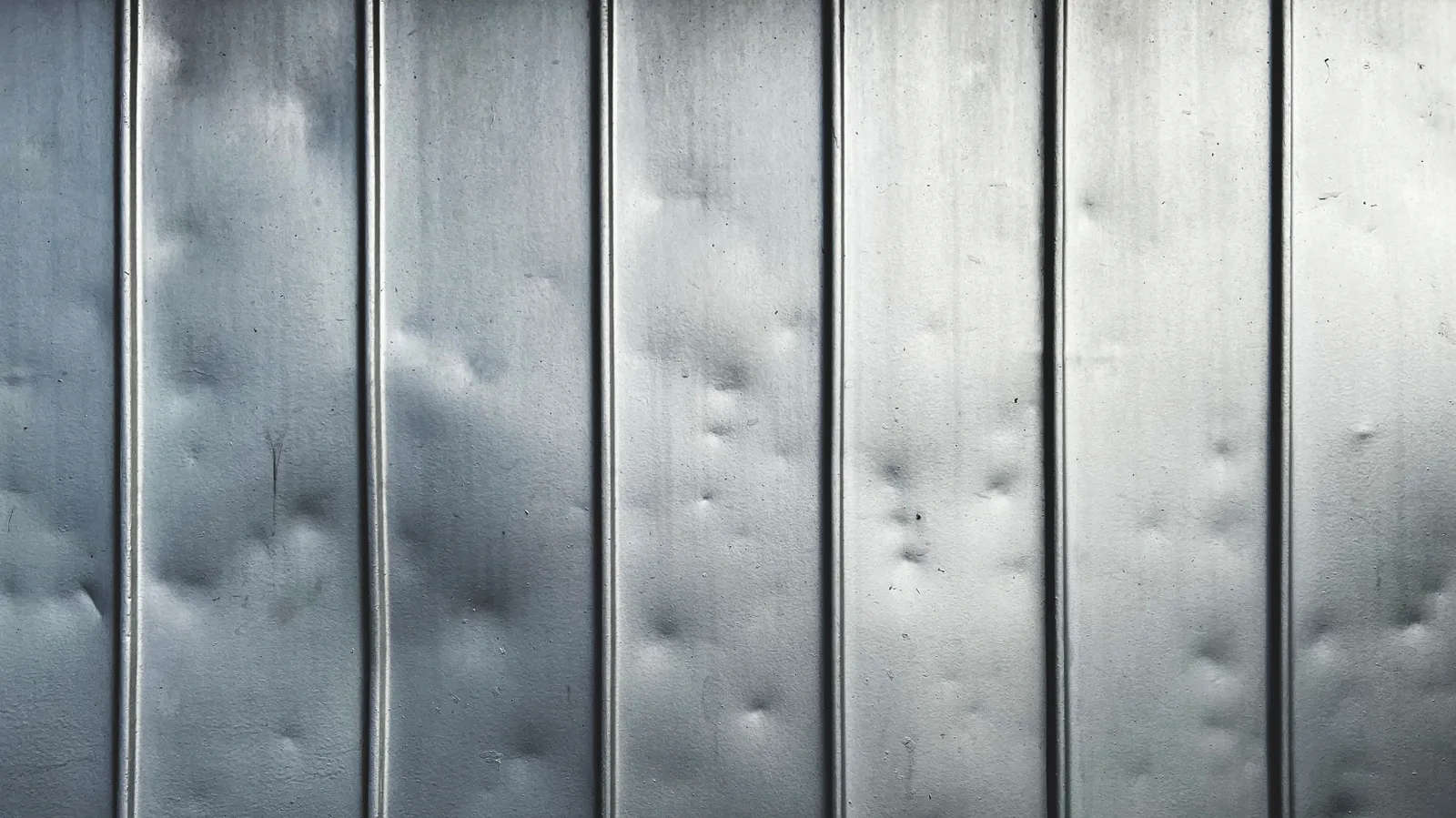
Check storm damage on the roof itself
After a storm, the useful question is what changed on your roof. Wind may lift or tear covering, while impacts can damage the shingle surface and mat. Water may enter through an opening immediately or become noticeable later. An intact ceiling does not establish that the roof is undamaged.
A free inspection allows the concern to be checked against the covering, details and surrounding roof condition. A storm report can help identify a date to discuss, but it cannot establish that a particular property was hit or decide how much roofing work is needed.
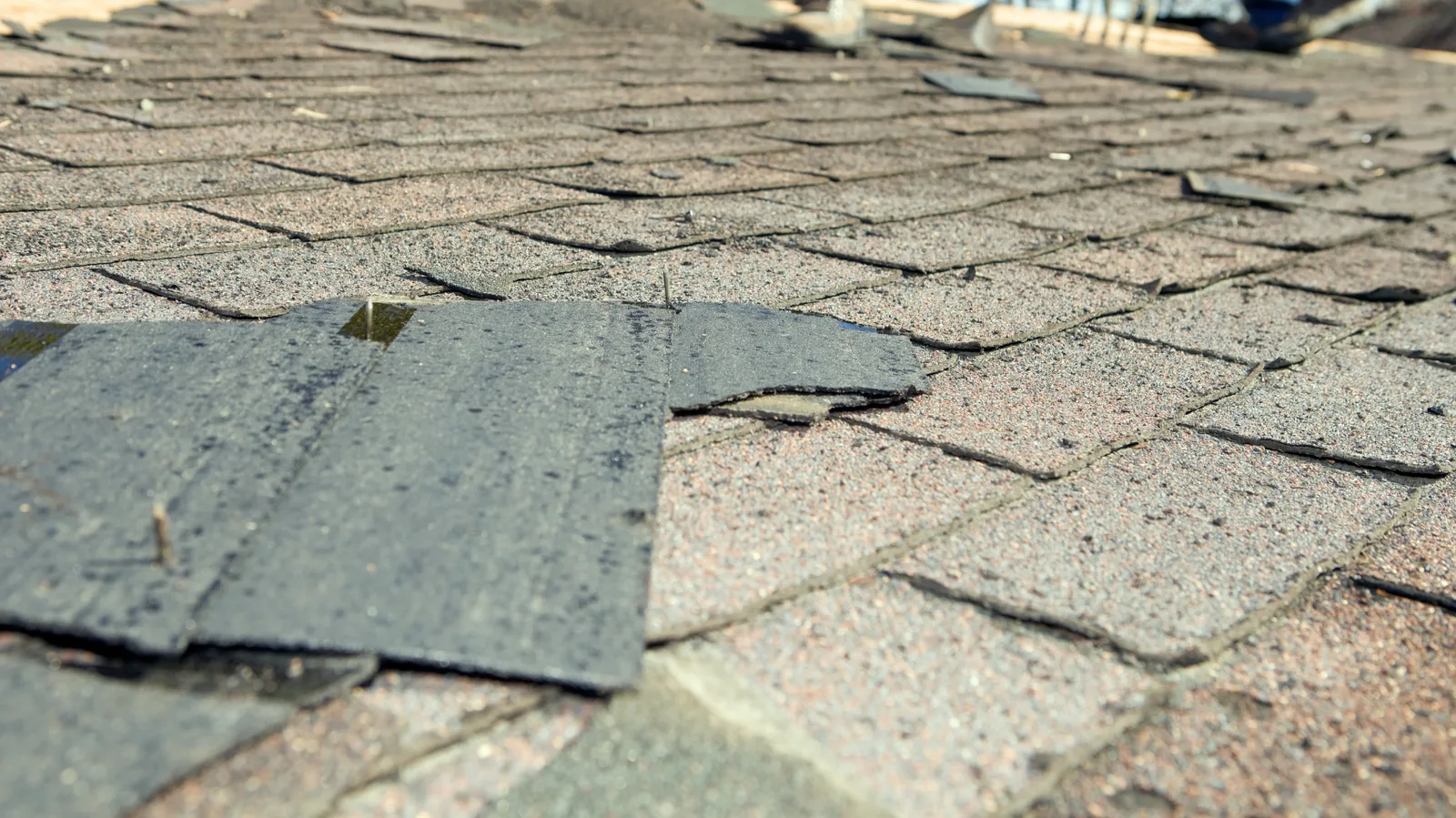
What to do when the storm has passed
Stay off the roof. From a safe location, note visible changes and photograph any interior water damage without entering unsafe areas. Keep clear of wet electrical fixtures, sagging ceilings and downed lines.
Move belongings or catch drips only where it is safe. Tell us whether water is entering now and which rooms are affected. If you plan to contact your insurer, keep your own record of the date and observations and ask the insurer about its process and policy requirements.
Wind and hail affect roofing in different ways
The two leave different marks, in different places, and they are repaired differently.
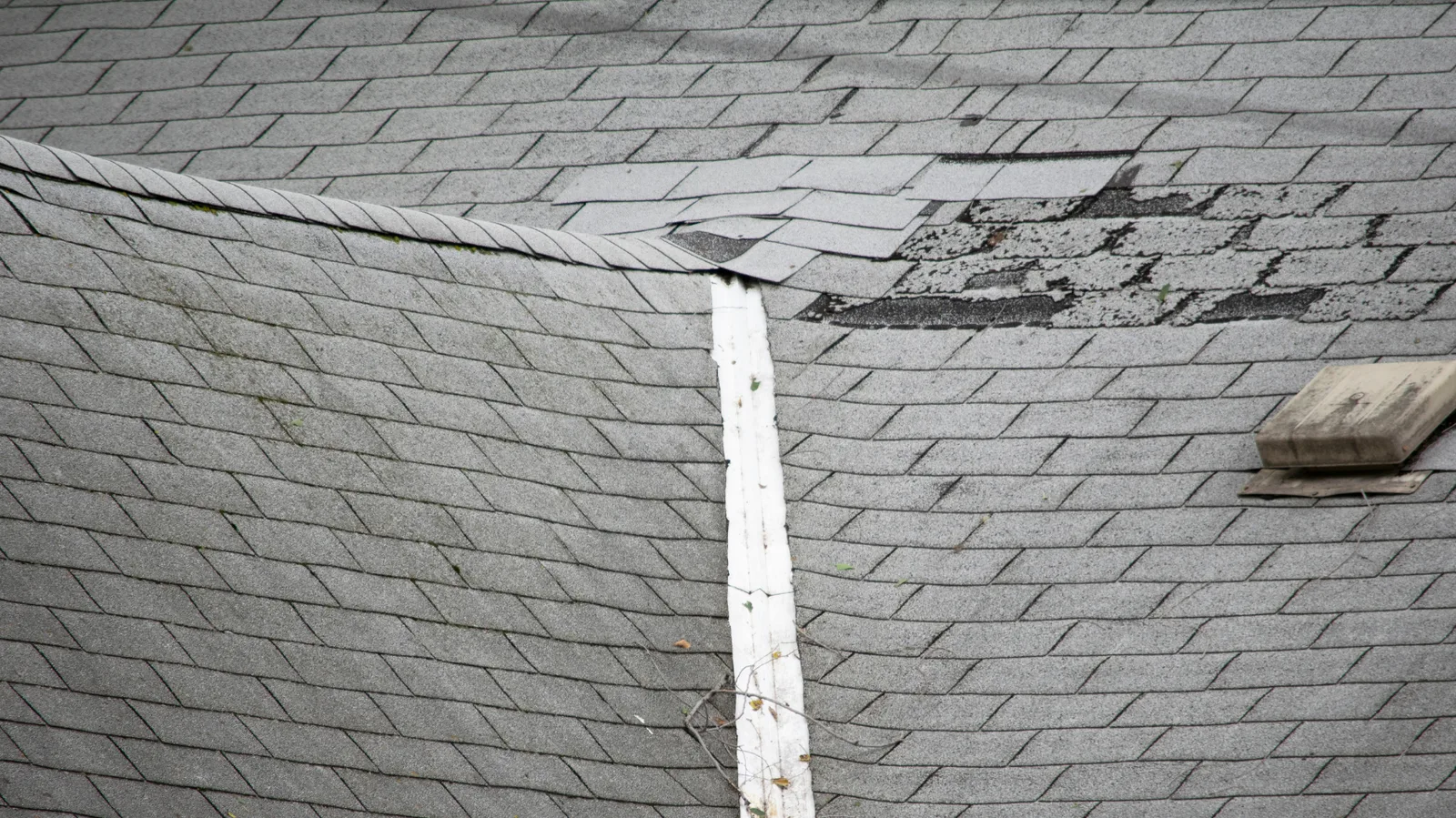
What wind does to a shingle roof
Wind works on edges. It gets under a shingle whose adhesive strip has let go, lifts it and folds it back, leaving a crease across the tab even if the shingle drops back into place. A creased shingle has lost its strength, and the next storm takes it.
Wind damage concentrates at eaves, rakes, ridges and on the slopes that faced the storm. Flashing and ridge caps can be loosened along with the shingles.
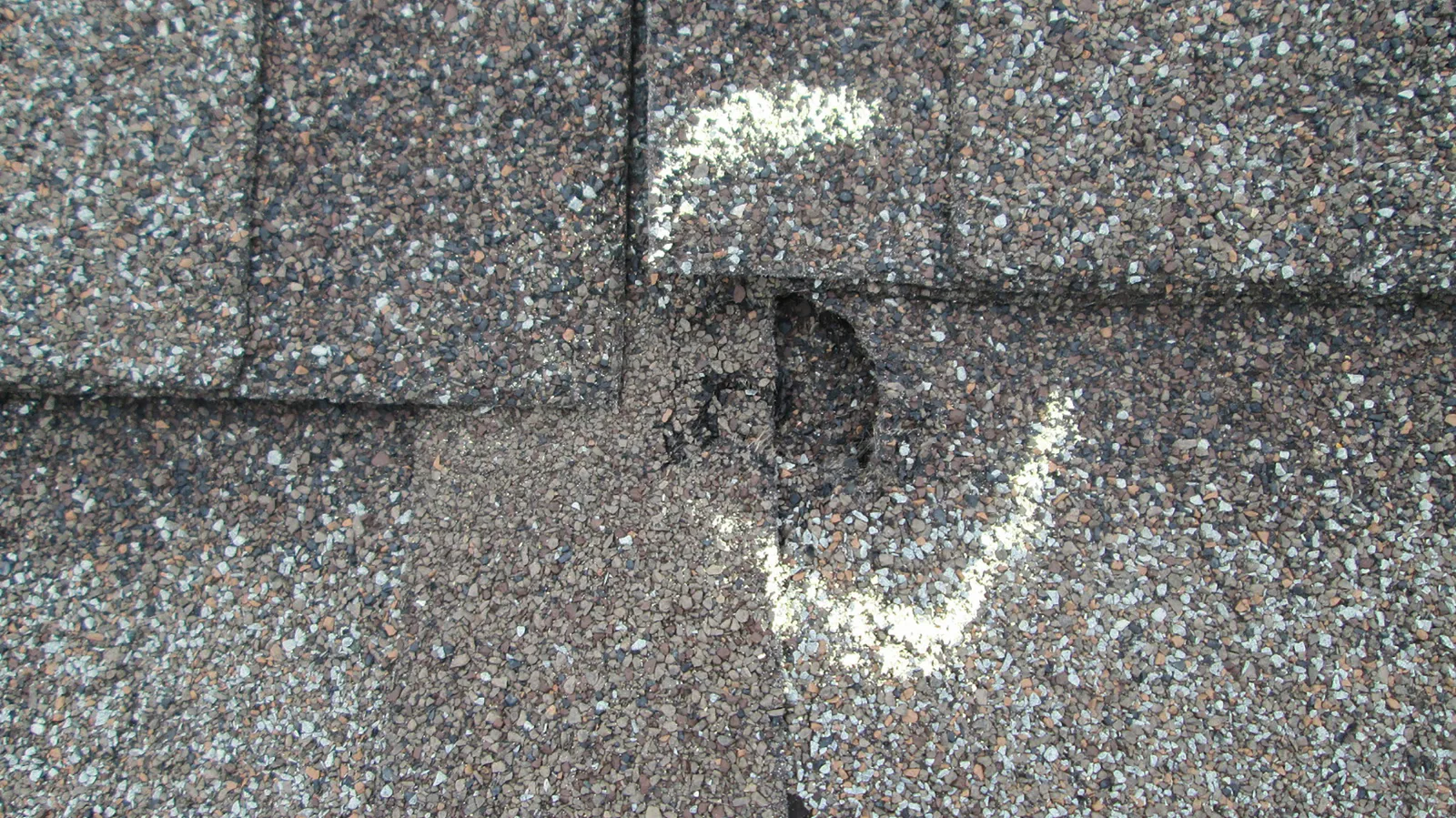
What hail does to a shingle roof
Hail bruises. A stone knocks the granules off a spot and can fracture the mat beneath it, leaving a soft dimple that is easier to feel than to see. With the granules gone, sun breaks down the exposed asphalt and that spot ages faster than the roof around it.
Hail damage is scattered across the slopes that faced the storm, not lined up in rows. Marks visible from the ground do not reliably show the extent, and surface wear can have other causes.
- Water beneath the surface
A new leak may point to an opening at covering or flashing, but water can travel before appearing inside. The repair needs to account for affected layers below, not only the first visible mark.
- Vents, gutters and flashing
Soft metals keep a record. Dents in vent caps, gutters and flashing show that hail fell and roughly how large it was, which helps when the marks on the shingles are harder to read.
- Limbs and debris
A fallen limb can puncture the covering and crack the decking under it. That is a structural repair first and a roofing repair second, even when the hole looks small.
How storm damage roof repair is scoped in Greenwood
The storm is one event, but the roof is judged slope by slope.
Walk every slope, not just the obvious one
Damage follows the direction the storm came from. The roofer checks each face of the roof separately, along with the ridge, the edges and the metal, so the full picture is known before anyone talks about a fix.
Separate new damage from old wear
Blistering, age cracks and worn granules are not storm damage, and the inspection should say which is which. Fresh damage looks fresh: clean breaks, bright exposed mat, granules recently knocked loose.
Test whether the roof can take a repair
Replacing a few tabs only works if the shingles around them can be lifted without cracking. On a newer roof they can. On an older, brittle roof every repair breaks the next shingle over, and that changes the conversation.
Settle on repair or replacement
A handful of missing shingles on one slope is a repair. Damage spread across several slopes, or a roof too brittle to work on, points toward replacing the affected slopes or the whole roof. Either way, the wood under any opening is checked before it is covered.
Storm roof repair or replacement in Greenwood
- A contained damaged area
A repair may fit when it can join sound material and restore the roof detail. The condition around the damage matters as much as the number of missing pieces.
- Damage across the roof
A wider pattern of damage or covering that will not accept a repair can make replacement a useful comparison. Ask what findings support the proposed scope.
- Damage below the covering
Affected decking or other layers can add work even when the visible opening is small. The scope should identify how that material will be addressed.
Storm damage FAQs
Does hail in Greenwood mean my roof needs replacing?
No. Weather at a reported location does not establish the condition of your roof. The material, impacts and actual damage need to be examined before choosing the scope.
Should I wait for a leak before arranging an inspection?
No. Missing or torn covering is worth checking even without an indoor stain. Interior symptoms can appear after water has already reached concealed layers.
Will insurance pay for the work?
Coverage depends on your policy, cause of damage and the insurer’s determination. A roofing inspection addresses the roof condition; it does not decide coverage or guarantee payment.
Can a storm-damaged roof still be repaired?
Yes, when the damage is contained and the surrounding roof can accept a sound connection. The roof repair page explains what changes that scope.
Have the storm-related roof concern checked
Describe the changes you noticed after the storm. Start with a free inspection of the roof itself.
Call (479) 252-9404