Repair or replace your Greenwood roof?
Understand the roof conditions that separate a targeted repair from more extensive work.
Free roof inspection. Start with the roof’s condition.
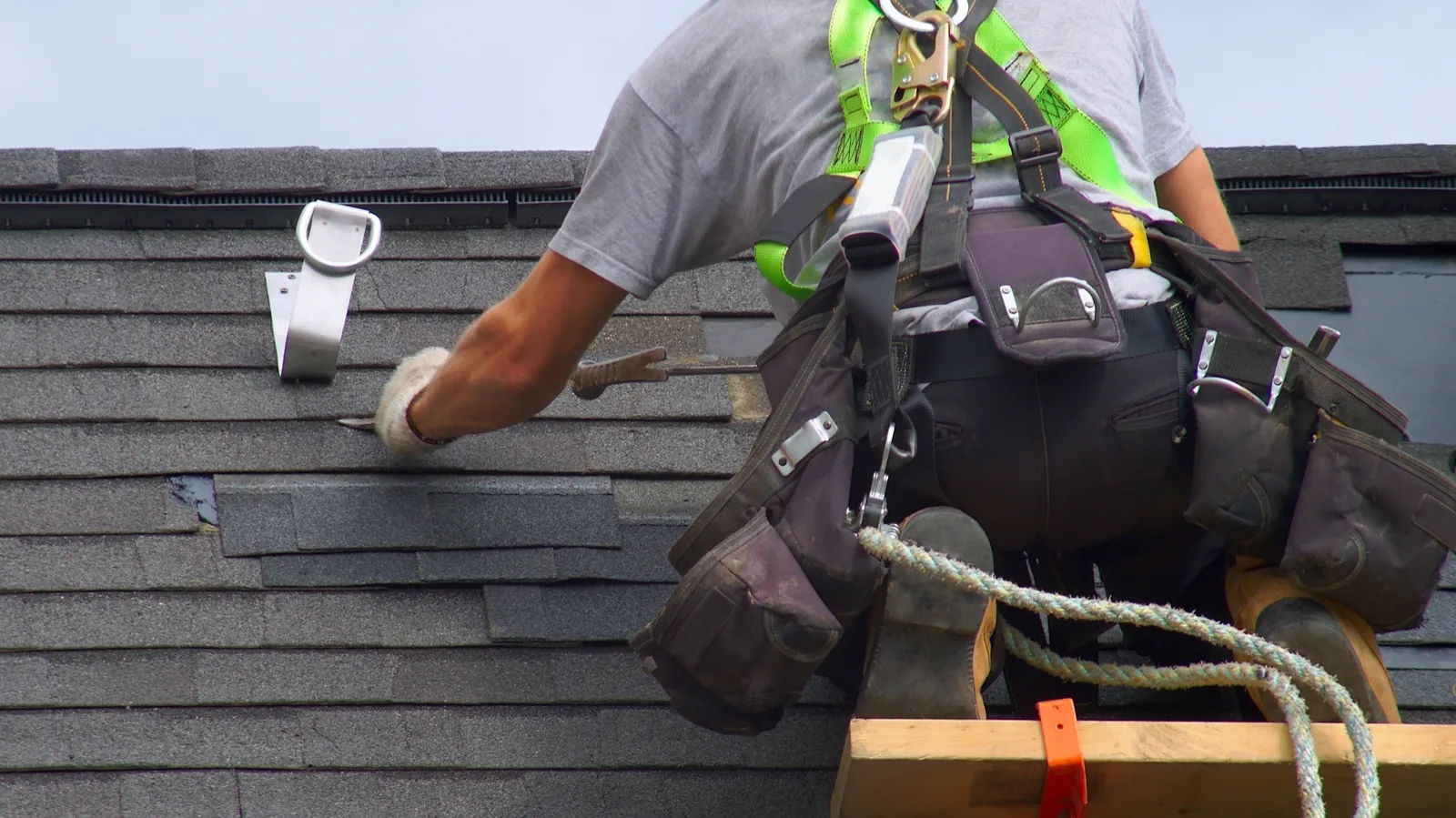
Start with what is damaged and what still works
The decision is about what a repair can connect to and what it leaves behind. Roof age, visible damage and past repairs are useful clues, but they do not replace a close look at the covering, joints and base beneath it. These comparisons help you understand an inspection finding without making you diagnose the roof yourself.
Three conditions that change the roofing decision
- One failed detail, usable surrounding roof
A localized repair can make sense when the shingles or membrane around the opening remain workable and the base is sound. The repair should restore water shedding at that detail, not simply conceal it.
- A larger damaged area with usable material beyond
More extensive work can still be a repair. Its edge must reach sound material, and affected layers below the surface need attention. The relevant question is how far the damage continues.
- Widespread deterioration or repeated failed repairs
When work in one spot reveals brittle covering elsewhere, compare a larger repair with replacement. Consider the unresolved areas and the practical value of keeping the remaining covering, rather than using a fixed age or cost percentage as the verdict.
Organize what you know about the roof
Choose the situation you already recognize. The result suggests a useful next conversation; it does not determine a repair method or diagnose roof condition.
You do not need a diagnosis to start
A free inspection can establish the current covering and the condition around roof details. An unknown roof age or material is useful to mention, not a reason to guess.
Request a roof inspectionThis organizer uses your description to suggest a conversation. It does not estimate price, assess damage or choose work for the property.
Why the lowest repair price is not the whole comparison
Two repair prices can describe different jobs. One may replace the failed flashing and affected covering; another may only apply material over the visible opening. The useful comparison is what each scope changes, how it ties into the roof and what it excludes.
Replacement also needs a defined scope. Removing the existing covering exposes the deck for assessment. Deck repairs, new flashings, underlayment, ventilation and edges can materially change the project. There is no reliable repair-versus-replacement percentage that can account for all of those conditions.
If you already have proposals, the roof cost planning tool helps compare their totals while keeping scope differences visible.
Repair or replacement FAQs
Is an older roof automatically a replacement?
No. Age helps explain wear and plan ahead, but current condition determines whether repairs can be made and what they will leave behind. A roof’s installation and repair history also matter.
Does a new leak on a newer roof mean the installation failed?
Not by itself. A damaged shingle, flashing opening, rooftop penetration or later work can provide a water entry path. The cause needs to be examined before assigning responsibility.
What should a larger repair proposal explain?
Ask where the repair stops, how it connects to sound roofing and whether affected decking or other layers are included. The roof repair page explains why the visible damage and the repair boundary can be different. Compare any remaining worn areas when weighing that proposal against replacement.
Let the roof condition settle the question
You can ask for a free inspection before deciding whether to repair or replace. Start with what you have noticed; the roof supplies the rest of the information.
Call (479) 252-9404