Roofing services in Greenwood, AR
Start with the roof concern you have today. A free inspection can help separate a repairable problem from work that needs a broader plan.
Free roof inspection. Start with the roof’s condition.
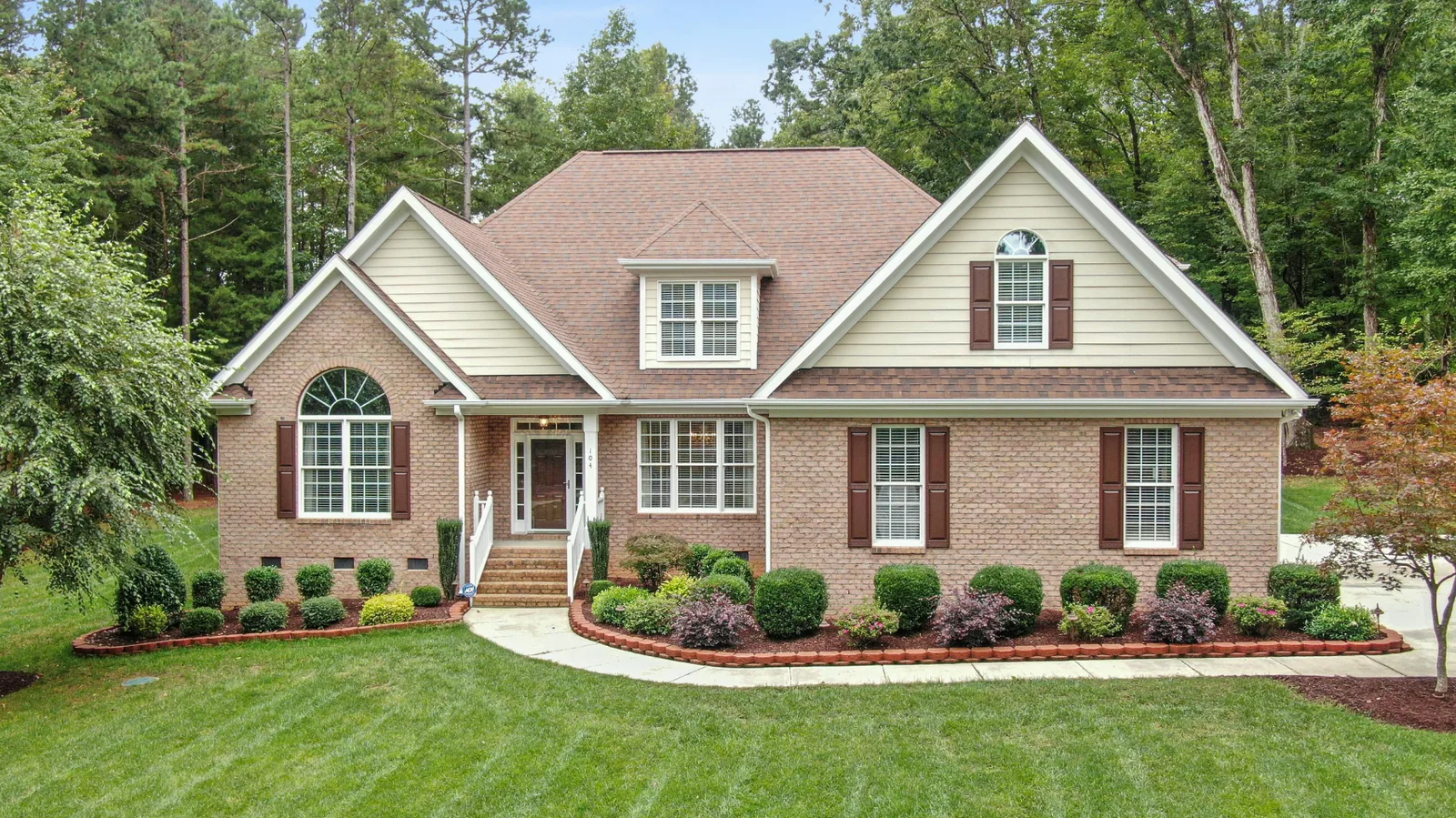
Find the right roofing help in Greenwood
Roofing services should fit the condition of the roof. Stopping water at a vent takes different work from replacing a slope with brittle shingles. A commercial membrane needs its own approach to seams, equipment curbs and drains.
For your Greenwood property, the first useful distinction is whether you need an active problem checked or you are planning future work. You can describe either in the request form without choosing a material or a repair method.
The sections below explain how the different kinds of roof work relate to each other, so the page you open next matches the roof you have. If none of it sounds like your situation, describe what you noticed and start with a free inspection.
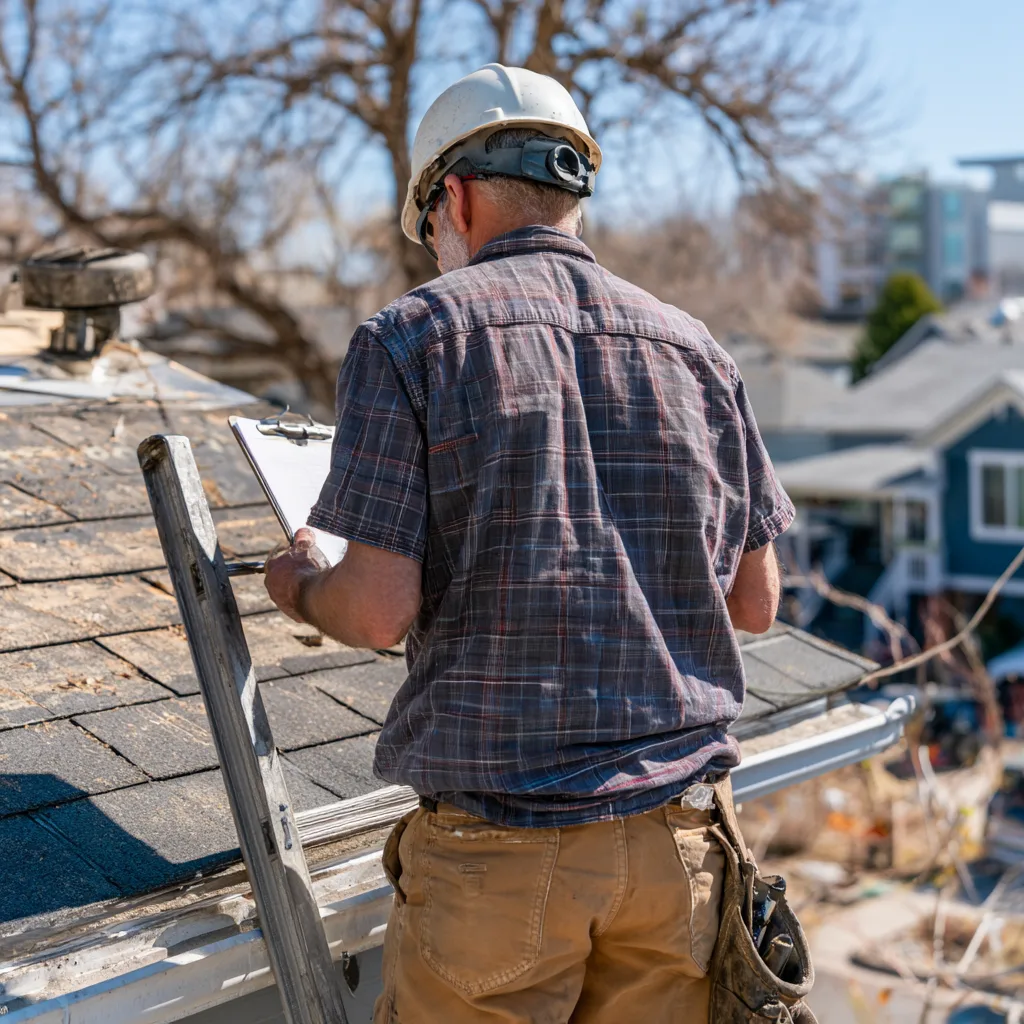
Start with the roof problem
Roofing requests tend to arrive in one of four situations. Each leads to different work, and knowing which one you are in makes the next page more useful.
Water is getting in, or one area is damaged
A leak or a patch of missing shingles is usually a problem with one part of the roof: a vent boot that has split, flashing that has pulled away from a wall, shingles the wind took from one slope. Repair work finds that failed part and rebuilds it so water runs over the joint again instead of into it.
The catch is that water travels. It can run along the deck or a rafter before it shows on a ceiling, so a repair starts with tracing the entry point, not with the stain. The repair stays small when the roofing around it is still flexible enough to lift and re-lay.
You are not sure what condition the roof is in
Maybe a storm came through, a neighbor is getting a new roof, or you are planning ahead. You do not need a symptom to have the roof looked at. A roofer walks the roof where it is safe to, checks the covering and the details that interrupt it, and tells you what is working and what is not. If the roof is in good shape, you will hear that too.
After wind or hail the question gets more specific: what changed on this roof. A storm report for the county is a reason to look. It does not show what happened at your address. Only the roof can.
The wear is across the whole roof
When shingles have turned brittle, granules are washing into the gutters and repairs keep coming back in new places, patching stops being good value. Every repair has to tie into material that can no longer take it. Replacement removes the old covering, which is also the only time the wood deck underneath can be seen and corrected.
A replacement is a bigger decision than the shingle color. It covers what comes off, how bad decking is handled, new underlayment and flashings, the roof edges and the attic ventilation. Those parts decide how the new roof performs.
You are choosing the roof covering
Asphalt shingles are the familiar choice, and the range within them is wider than it looks: three-tab, architectural and impact-rated products differ in thickness, appearance and tested hail performance. Metal is a different kind of roof, with panels, clips or screws and formed trim that all have to suit the slope and shape of the house.
Either way, the material sits on the same deck and depends on the same flashings and ventilation. The material pages explain what each option changes in the installation and in a later repair.
How a Greenwood roof inspection becomes a defined job
A price attached to a vague description can mean very different jobs. This is how a concern turns into work you can read and agree to.
You describe what you noticed
A stain over the hallway, shingles in the yard, a drip that only shows in wind-driven rain, or simply a roof you want checked before planning. That description tells the roofer where to start and which slopes and details deserve the most time.
A roofer walks the roof
Where access is safe, the roofer goes up instead of judging from the driveway. The covering is checked for brittleness, loose or missing pieces and exposed fasteners. Then the interruptions: pipe boots, vents, wall and chimney flashing, valleys and the roof edges.
The work gets a boundary
Findings become a description of work. For a repair, that is which part failed, how much covering has to come up around it and what goes back. For a replacement, it is what gets removed, what is rebuilt and which existing pieces, if any, stay.
Hidden conditions get a plan
Some things cannot be seen until roofing comes off, mainly the wood deck. A clear scope says so up front: how bad wood will be identified, how it is priced and who approves it before it is replaced. That keeps a surprise from turning into a dispute.
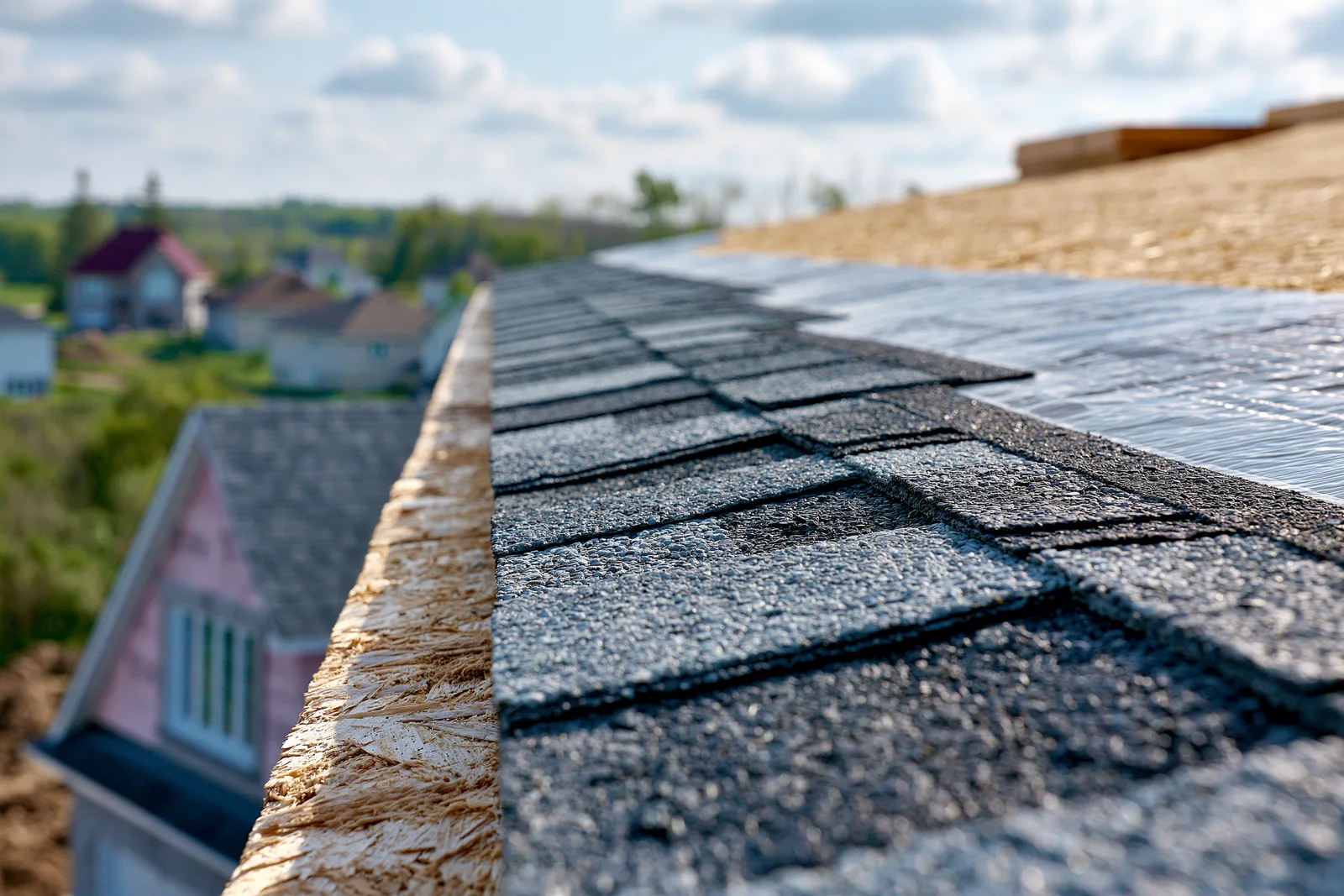
What a clear scope keeps apart
Whatever the size of the job, a useful description of roof work keeps two lists separate.
Known before work starts
- The failed part and the area to be opened
- What goes back: covering, underlayment, flashing
- How new work ties into the roofing that stays
- Protection around the house, debris and cleanup
Settled once the roof is open
- Soft or damaged decking under the covering
- Flashing hidden behind siding or old layers
- A second layer of roofing nobody knew about
- How each is priced and approved before work continues
When the work gets larger
A roof repair can grow when opened areas reveal damaged decking or when the surrounding covering cannot be lifted without breaking. That does not automatically make a full replacement the answer. The extent of that condition matters.
Cost follows the same logic. What you pay for is mostly how much of the roof has to come apart and be rebuilt, and how hard that area is to reach. Swapping a vent boot on sound shingles disturbs a few courses. Rebuilding the flashing along a wall means opening the roofing for the full length of that wall, and sometimes working around siding. A replacement opens everything, which is why deck repairs, flashings and ventilation belong inside its price and not beside it.
For planned replacement, the useful scope includes removal of the old covering, how deck repairs are handled, underlayment, flashings, roof edges and ventilation. Material price is only one part of a roof that has to work as a system.
If you are weighing the two, the repair-or-replace guide explains where a repair stops making sense, and the roof cost guide shows how to read two proposals against each other.
Commercial roof work for Greenwood building owners
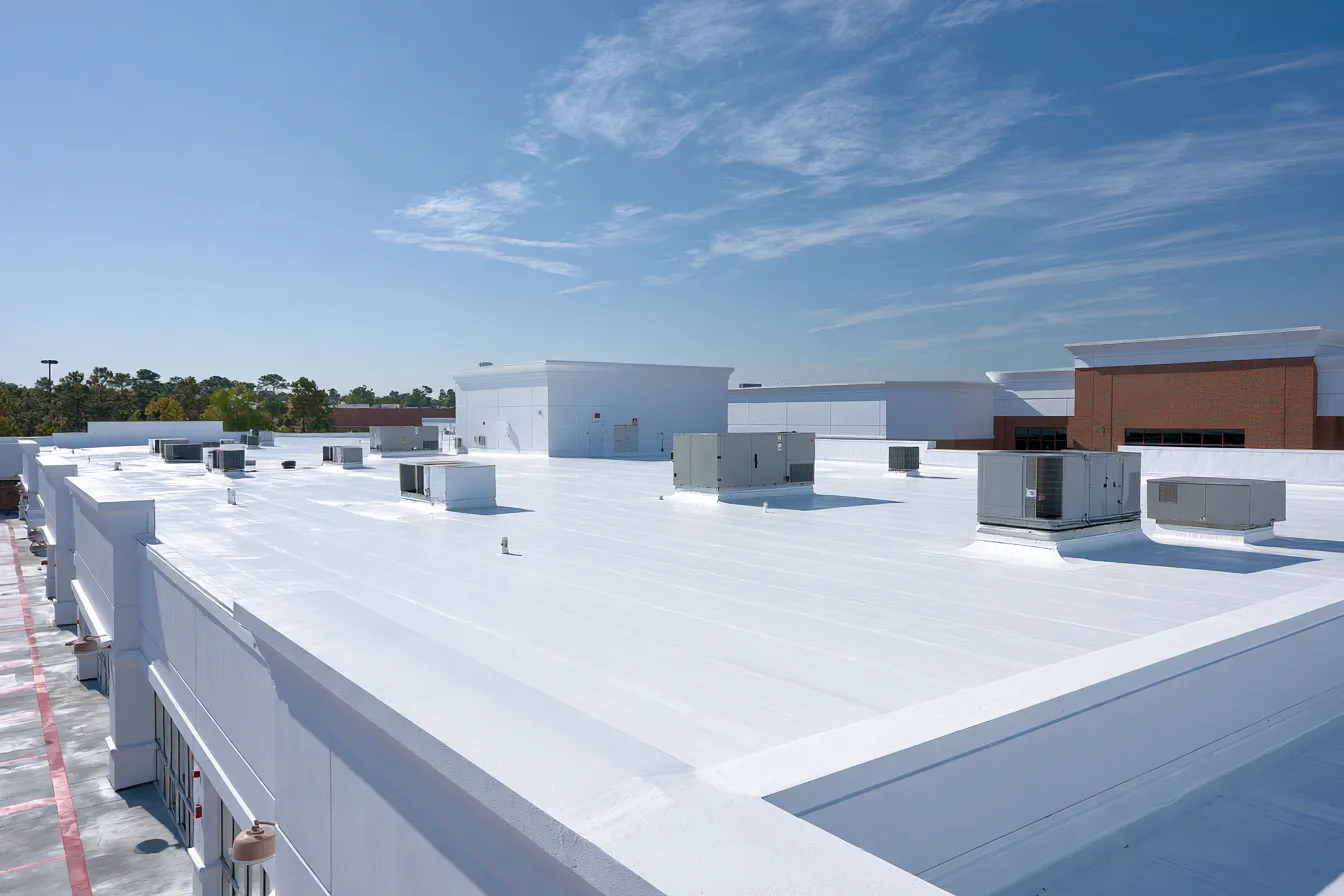
A low-slope commercial roof fails differently from a house roof. There are no shingle courses to shed water, just a continuous membrane, and the places to look first are where that membrane is interrupted: a seam, a drain, the curb under a rooftop unit, a pipe, the flashing up a parapet wall.
What sits under the membrane matters as much. Water that gets past a seam soaks into the insulation and can travel a long way before it drips onto a ceiling tile. Wet insulation does not dry out under a patch or a coating, so the first question on any commercial roof is how much of what lies below the surface is still dry and sound.
That answer sorts the options. A sound roof with one bad detail gets a repair made with materials compatible with the existing membrane. A worn but dry roof with good adhesion may suit a coating. A roof with widespread wet insulation or a failing deck needs replacement, planned around drainage, the equipment on the roof and the people working under it.
Access and timing are part of the job as well: where materials go up, which entrances stay open, what sits beneath the work area and who coordinates with tenants or mechanical contractors.
Commercial roofing overviewFlat roof repair and drainageTPO roofingRoof coatings
Roofing services FAQs
Which service should I select if I am unsure?
Choose Roof inspection or Another roofing question and describe what you have noticed. You do not need to know the cause or decide on replacement before requesting help.
Can a roof be inspected before it leaks?
Yes. An inspection is useful when you are planning a replacement, have visible wear or simply do not know the roof’s condition. A leak is not required to request a free inspection.
Do you handle flat commercial roof questions?
You can request help for a low-slope commercial roof. The commercial roofing page explains the difference between repairing an opening, restoring a suitable surface and replacing an assembly that can no longer be retained.
Start with a free Greenwood roof inspection
Tell us whether the roof is leaking now, showing damage or part of an upcoming project. We can start from there.
Call (479) 252-9404