Free roof inspection in Greenwood, AR
Have the roof checked before you decide on the work. Request a free roof inspection in Greenwood for a leak, visible damage or a project you are planning.
Free roof inspection. Start with the roof’s condition.
A closer look at your Greenwood roof
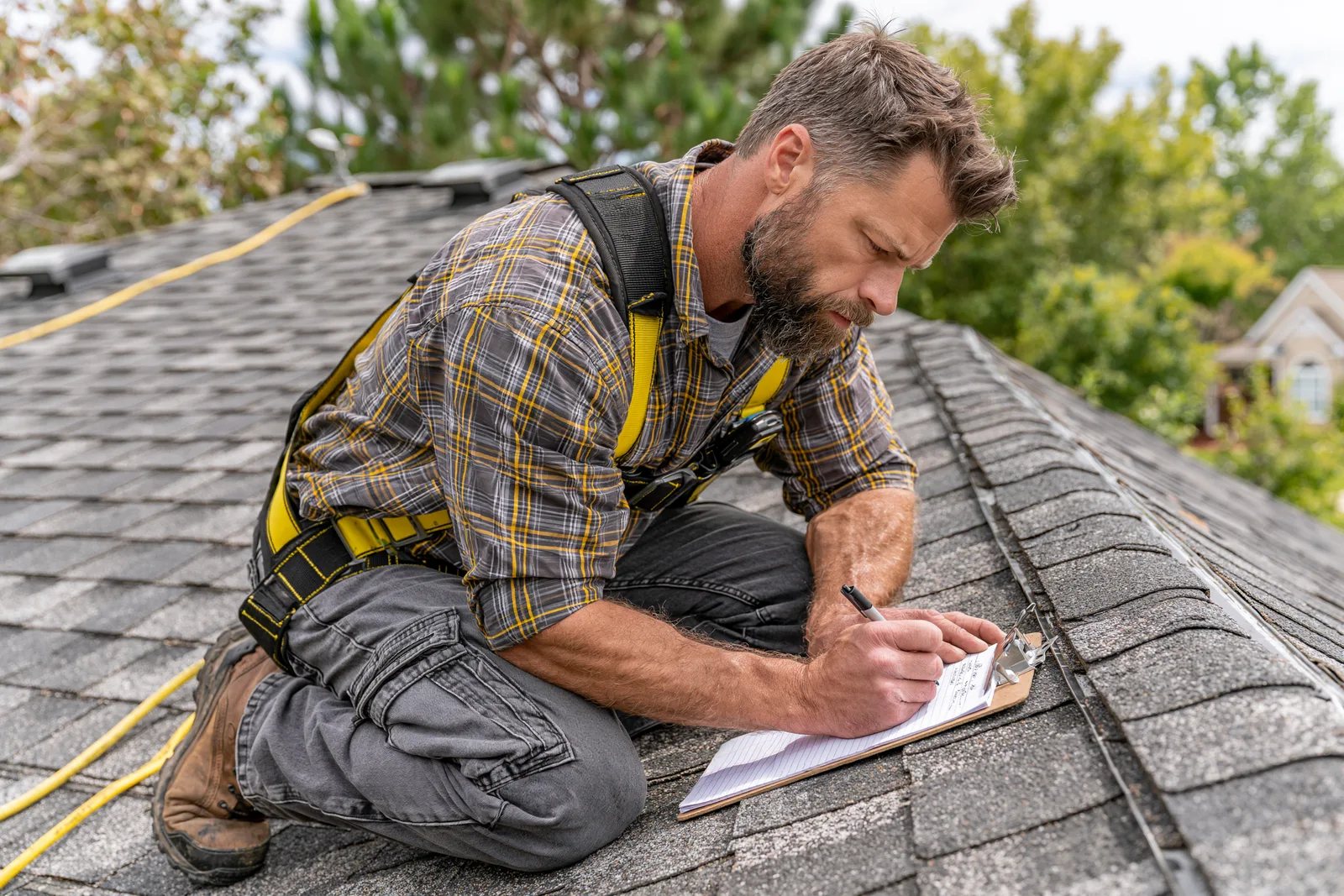
A roof inspection connects your concern with the condition overhead. A roofer walks the roof where access and conditions are safe, looking at the covering and the details where water changes direction or passes an opening. The point is to understand what needs attention, not to begin with a preset replacement decision.
You may have a new stain, a shingle in the yard or no active leak at all. An inspection can also help when you are planning work and want to understand the current roof. Mention the reason for the visit so the conversation addresses the problem or decision that matters to you.
What a roofer checks during a Greenwood roof inspection
An inspection starts where you noticed something, then covers the rest of the roof part by part.
From the ground
Before the ladder goes up, the roofer looks at the roof lines, the gutters and what is on the ground. Sagging between rafters, shingle pieces in the yard and granules washed out at the downspouts are all information.
The edges and eaves
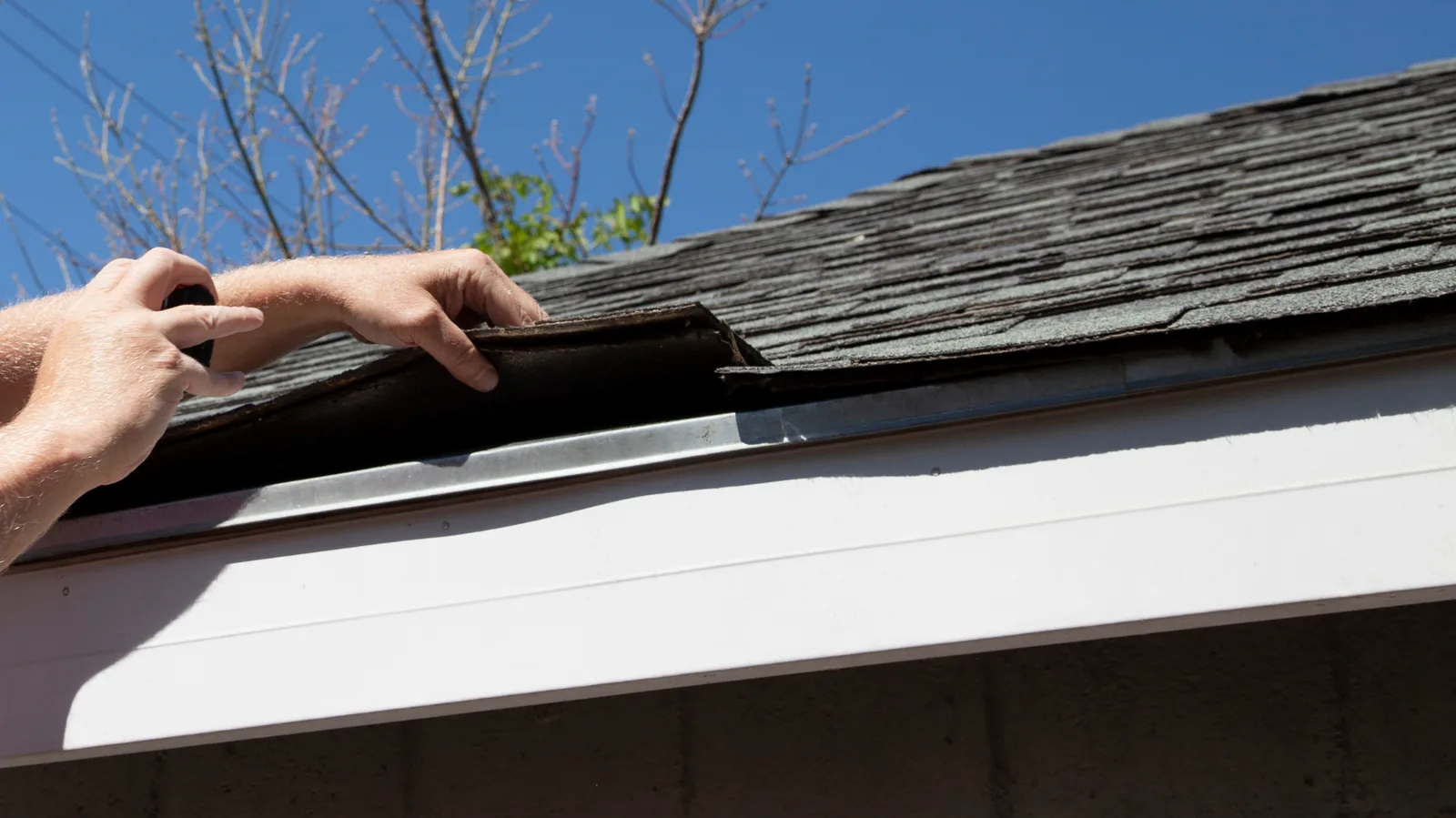
At the top of the ladder, the first things in reach are the drip edge, the starter course and the fascia behind the gutter. Lifted edges and soft wood here point to water getting behind the roof instead of running off it.
The field of the roof
Walking the slopes, the roofer checks whether shingles are still sealed down and flexible, looks for cracked, creased or missing tabs and exposed nail heads, and feels for soft spots in the deck underfoot.
Every interruption
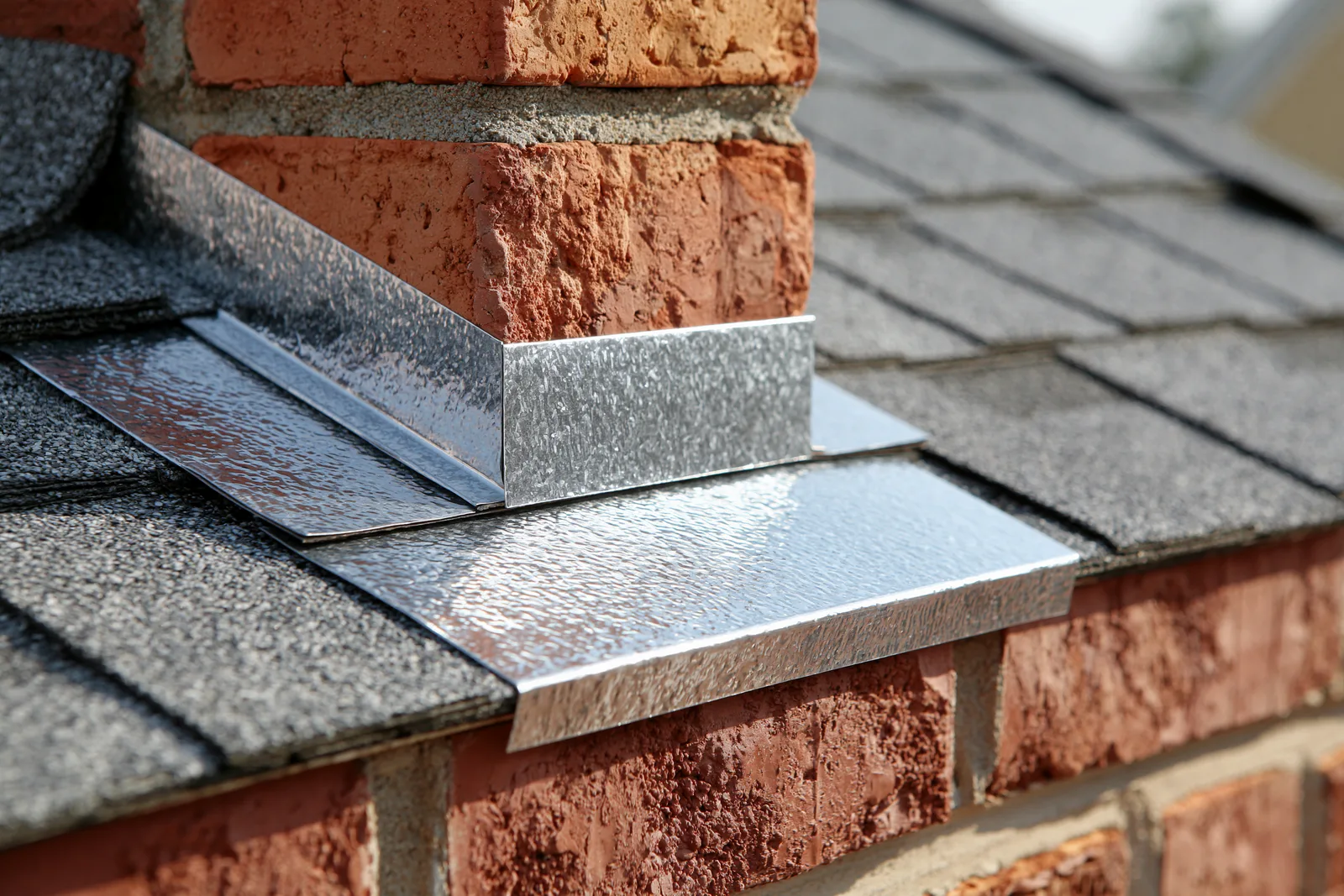
Pipe boots, vents, skylights, walls and chimneys get the closest look, because these are the places where the covering stops and a separate part takes over. Cracked rubber, lifted flashing and old sealant are what the roofer is looking for.
Valleys and the ridge
Valleys carry the most water and collect the most debris. The ridge takes the most wind. Both are checked for wear, open laps and loose caps before the roofer comes down to talk through what was found.
What roof condition can tell you
- The covering
Loose, missing, torn or deteriorated material can expose the layers below. The surrounding condition helps establish whether a repair can connect to usable roofing.
- The connections
Vents, walls, chimneys, valleys and edges interrupt the roof surface. Their flashings and overlaps need to direct water out onto the roof, rather than beneath it.
- Signs of a wider issue
Soft areas, staining or repeated problems may call for closer investigation of the layers beneath the covering. Some concealed conditions cannot be fully confirmed without opening the roof, which is a separate scope to discuss.
Make the inspection useful before it starts
Describe what you have noticed and when it appears. A leak during wind-driven rain is useful information; so is a problem that began after work near a chimney or rooftop unit. Interior photos taken safely can help explain the location.
Share access instructions, known roof history and records you already have. You do not need to climb up, measure the roof or clear anything overhead before asking for help. If the roof is wet, steep, damaged or difficult to reach, safe access determines how it can be examined.
Different reasons to have a roof checked
- An active leak
Identify the affected room and whether water is still entering. The immediate concern is the entry path and protecting the occupied space.
- A future roof project
Discuss the current condition alongside material choices and the work you want to plan. The inspection helps give that conversation a practical starting point.
- A commercial building
Mention rooftop equipment, access arrangements and the spaces beneath the affected area. Roof system records are helpful when available.
What a Greenwood roof inspection can and cannot settle
A walked inspection settles most of what a roofing decision needs: whether the covering still has working life, which details have failed, and whether a problem is confined to one area or showing up across the roof. That is enough to tell a repair from a larger project.
It cannot see through the roof. Decking under sound-looking shingles, flashing buried behind siding and the inside of a wall stay hidden until something is opened. When the signs point that way, such as a soft spot underfoot or a stain with no obvious source above it, the roofer will say so, and opening that area becomes its own small job to agree on.
It also does not decide anything for an insurer. If a storm is involved, the inspection tells you what condition the roof is in. Coverage is between you and your insurance company.
From there the next step is one of three things: a roof repair, a roof replacement plan, or nothing at all until the roof gives you a reason to look again.
Roof inspection FAQs
Is the Greenwood roof inspection free?
Yes. The inspection offer is free. Requesting it does not commit you to purchasing roofing work.
Does the roofer walk the roof?
A roofer walks the roof where safe access and conditions allow. Tell us about known access restrictions when making the request; the method needs to fit the property.
Do I receive a written report or insurance certification?
If you need a particular report, photographs or documentation for another party, explain that when requesting the inspection and confirm the deliverable. The free inspection offer does not by itself include a formal certification.
Can an inspection explain a recurring leak?
It can help investigate the water path and why previous work has not resolved it. See the roof repair explanation for the details that can extend a repair beyond the visible stain.
Request a free Greenwood roof inspection
Share the property location and what you want checked. An unknown roof age or material is fine.
Call (479) 252-9404