Roof replacement in Greenwood, AR
A new roof should resolve the worn covering and the details beneath it. Plan your Greenwood replacement around a complete scope, material choices and the house you live in.
Free roof inspection. Start with the roof’s condition.
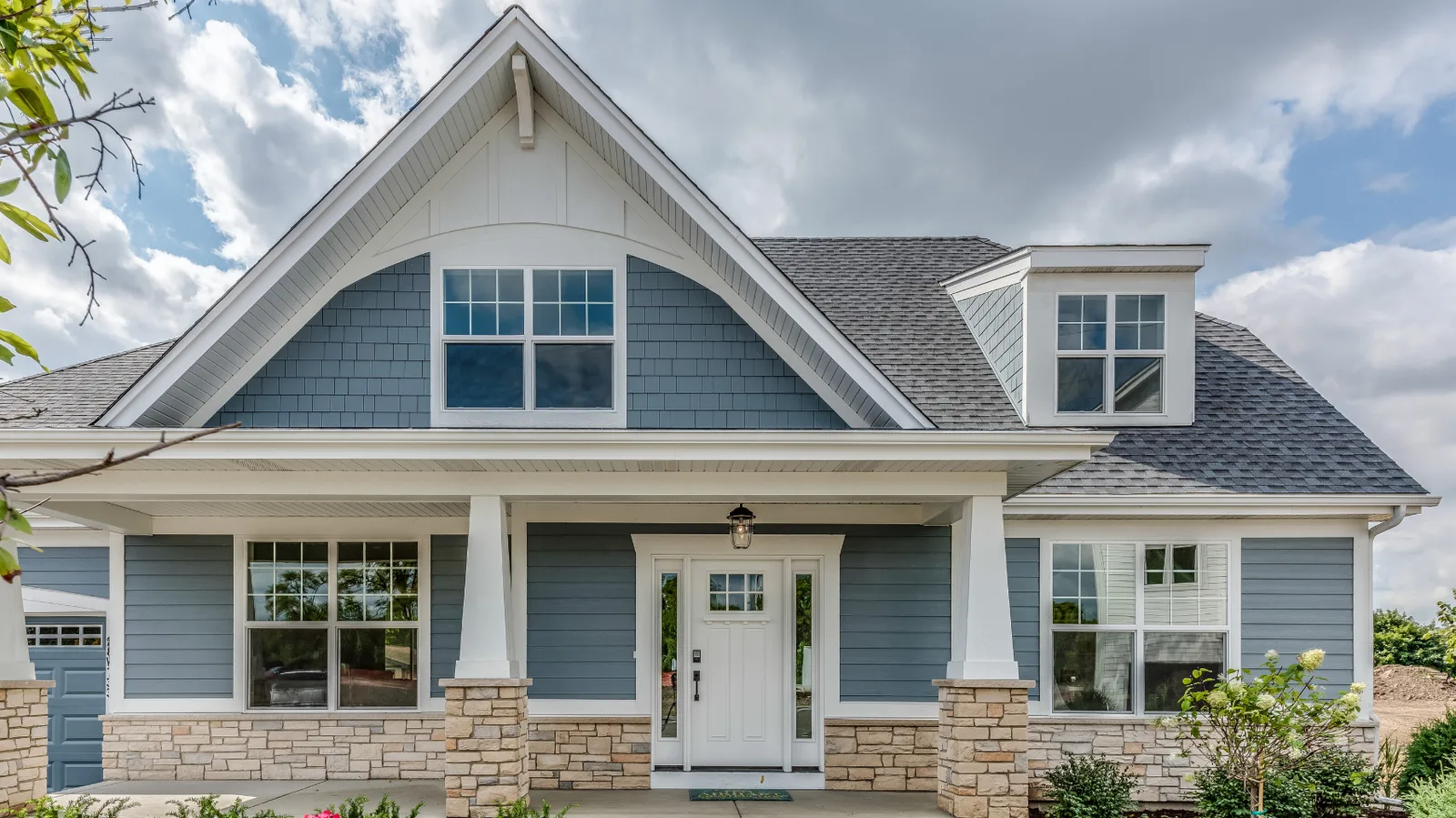
A Greenwood roof replacement is more than new shingles
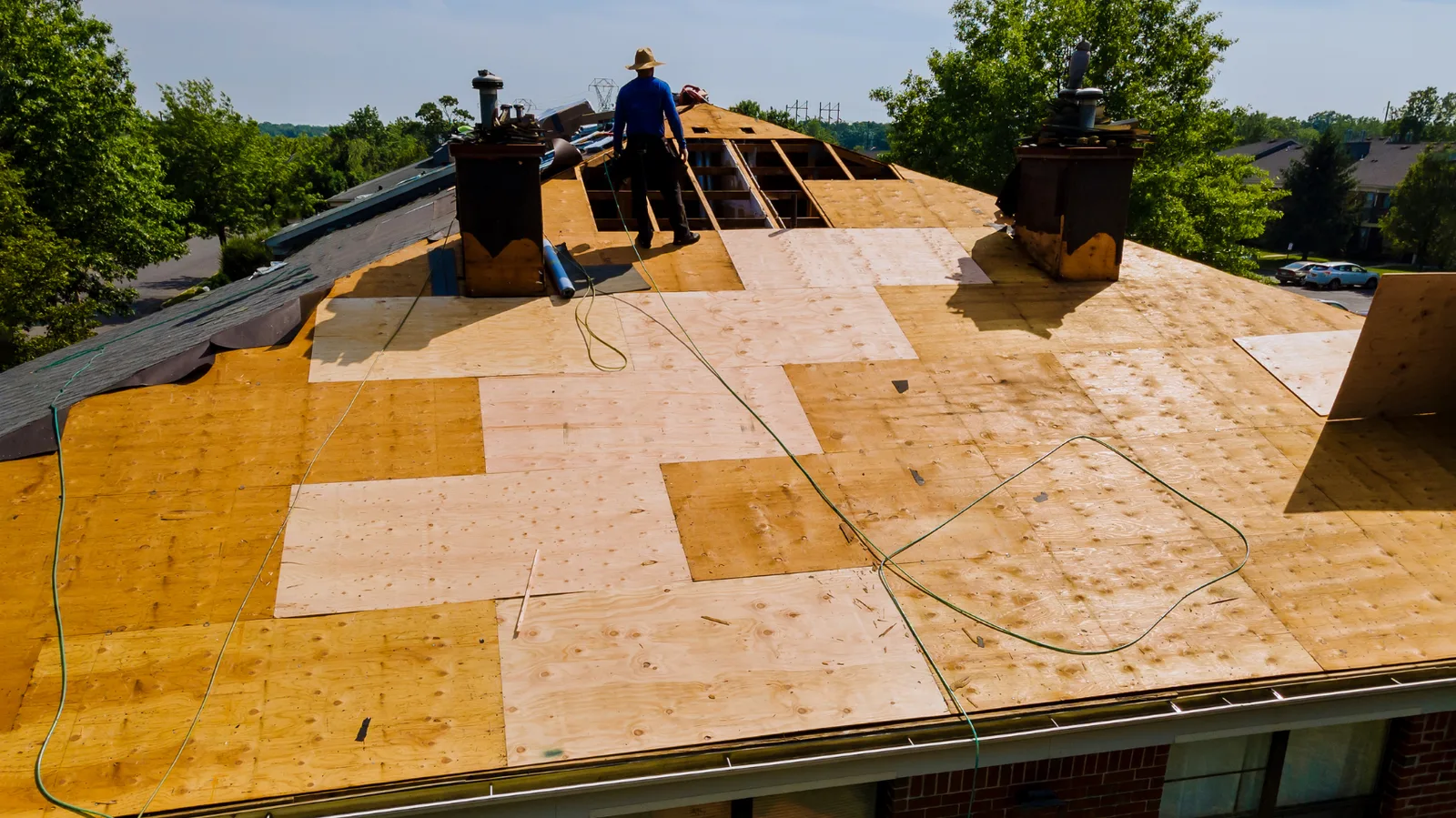
Replacement is the time to look at the roof as a whole. Removing worn covering opens the way to assess the deck, rebuild flashings and connect the new roof at edges, walls and penetrations. Those details determine whether the project addresses the problems that brought you here.
For a Greenwood home, begin with the existing condition and your plans for the property. Repeated repairs, brittle shingles or deterioration across several slopes may justify comparing replacement with further repair. An installation date alone cannot settle that choice. A free inspection gives a roofer a closer look before you commit to a project.
What to include in a Greenwood roof replacement
Ask for enough detail to compare the finished work, including how hidden damage will be handled.
- Removal and the roof deck
The proposal should identify the covering and layers being removed. Deck damage may only become fully visible during removal; discuss the method for identifying, pricing and authorizing added deck work before it starts.
- Flashings and roof openings
Chimneys, walls, vents and skylights need connections suited to the new roof. Ask which flashings are being replaced, what is being reused and why the retained pieces are suitable.
- Underlayment, edges and ventilation
Underlayment and edge details support the water-shedding roof above them. Ventilation should be considered as an intake-and-exhaust arrangement, not simply an extra vent added at the ridge.
- Protection and completion
Material delivery, debris handling, protection around the house and cleanup belong in the scope. Agree on who will discuss unexpected conditions and how the completed work will be reviewed.
What goes under new shingles on a Greenwood roof
A roof is a stack of parts that each do one job. From the street you only see the top one. Replacement is the one chance to see and correct the rest, so it helps to know what they are, from the surface down.

Shingles and ridge caps
The shingles shed water from course to course and take the sun, wind and hail. Starter shingles along the eaves and rakes lock down the first course, where wind gets its best grip. Ridge caps close the peak, often over a vent slot cut into the deck.
Underlayment and leak barrier
Underlayment covers the whole deck as a second line of defense if wind-driven rain gets under a shingle. A self-sealing membrane goes where the most water runs, such as valleys and around penetrations, because it closes around the nails driven through it.
The roof deck
Plywood, OSB or older board sheathing is what every nail holds to. Once the old roof is off, the deck is walked and checked for soft spots, delamination and gaps. Bad sections are replaced before anything covers them, because new shingles over weak wood will not stay flat or fastened.
Attic ventilation
Air needs a way in at the eaves and a way out near the ridge. Without both, heat and moisture build up under the deck and age the roof from below. A new ridge vent does little if the soffit intake is painted shut or packed with insulation, so the two are looked at together.
How a Greenwood roof replacement runs, from tear-off to cleanup
The order matters because part of the house is open to the sky during the job. The aim is to strip only as much roof as can be made watertight again the same day.
Set up and protect the property
Materials are delivered and a place is set for debris. Tarps or boards protect plantings, AC units, windows and the driveway near the work. Cars come out of the garage first, because the driveway is about to be busy.
Tear off and check the deck
Old shingles, underlayment and flashings come off a section at a time. With the wood exposed, soft or broken decking is marked and replaced. This is where the hidden-condition terms in the agreement get used, and where you should hear about anything unexpected before it is fixed.
Dry in the roof
Drip edge, leak barrier and underlayment go on as soon as a section is sound. Once it is dried in, that part of the house is protected even if weather interrupts the shingling.
Flash, shingle and close the ridge
Valleys, wall flashings and pipe boots are set as the shingle courses reach them, then the ridge vent and caps finish the top. The roof and gutters are cleared, a magnet is run over the lawn and drive for nails, and the finished work gets a last look from the ground and from the roof.
Plan the work around your household
Roofing involves movement around a house as well as work overhead. Point out entrances that must stay usable, where deliveries can go and any plants, furniture or equipment needing protection. Plan for pets and children to stay outside the work area.
Weather, roof complexity and findings beneath the covering affect the sequence. Discuss the proposed schedule and how exposed areas will be protected instead of assuming every replacement takes the same number of days.
Choose roofing materials around the whole project
The covering is the part of the roof you will look at for years, so it is worth choosing carefully. It is also the last decision, not the first.
- Asphalt shingles
Shingles offer several profiles and product options. Compare the selected product, installation requirements and accessory details together. A more expensive shingle does not compensate for omitted flashing work.
- Metal roofing
Panel profile, attachment and trim change both appearance and installation. The existing roof shape and slope must suit the chosen metal system, including its transitions at valleys and penetrations.
Why two Greenwood roof replacement prices can differ
Roof size sets the baseline, but two houses with the same footprint can be very different jobs. What separates them is how much has to come off, how hard the roof is to work on and how many details have to be rebuilt.
A simpler job
A single-story house with two or four plain slopes, one layer of shingles and a couple of pipe boots. Tear-off is quick, the deck is easy to check and there is little flashing to rebuild. Most of the price is material and straightforward labor.
A more involved job
A steep two-story roof with dormers, several valleys, a chimney and a porch tie-in, carrying two layers of old shingles. Everything takes longer: tear-off, disposal, staging, and every valley and wall needs new metal. The same shingle costs much more to install here.
- Decking found during tear-off
Nobody can count bad sheets from the ground. Deck repair is normally handled as a per-sheet or per-foot price agreed before the job and applied to what is actually replaced.
- The product line
Architectural and impact-rated shingles cost more than three-tab, and metal costs more than any of them. The accessory parts that go with each system are in that difference too.
- Ventilation and edge corrections
Adding intake vents, cutting in a ridge vent or replacing rotted fascia is small next to the roof itself. It is still real work, and it belongs in the number from the start.
Roof replacement FAQs
Can new shingles go over the existing roof?
That depends on the existing layers, their condition, the chosen system and applicable requirements. Removing the old covering allows the deck to be assessed more directly. Ask what an overlay would retain and whether those conditions are suitable.
Will all of the roof decking need replacing?
Not necessarily. Sound decking can often remain. The scope should explain how damaged or unsuitable sections will be identified and handled, including any work that cannot be priced until the covering is removed.
Can I stay home during replacement?
Discuss the work area, noise and access with the contractor. The answer depends on the project and household needs. Entrances and protected areas should be agreed on before work begins.
What if only one part of the roof is worn?
A partial replacement or larger repair may deserve consideration if the remaining roof can support a reliable connection. The repair-or-replace guide explains those boundaries.
Plan your Greenwood roof replacement
Tell us about the roof you have and the replacement you are considering. A free inspection is a useful first step toward defining the work.
Call (479) 252-9404