Why the ceiling stain is not always under the roof leak
A ceiling stain gives you a place to look indoors, but not always the place to repair outside. Water can enter higher on a roof and follow the structure before it reaches the room below.
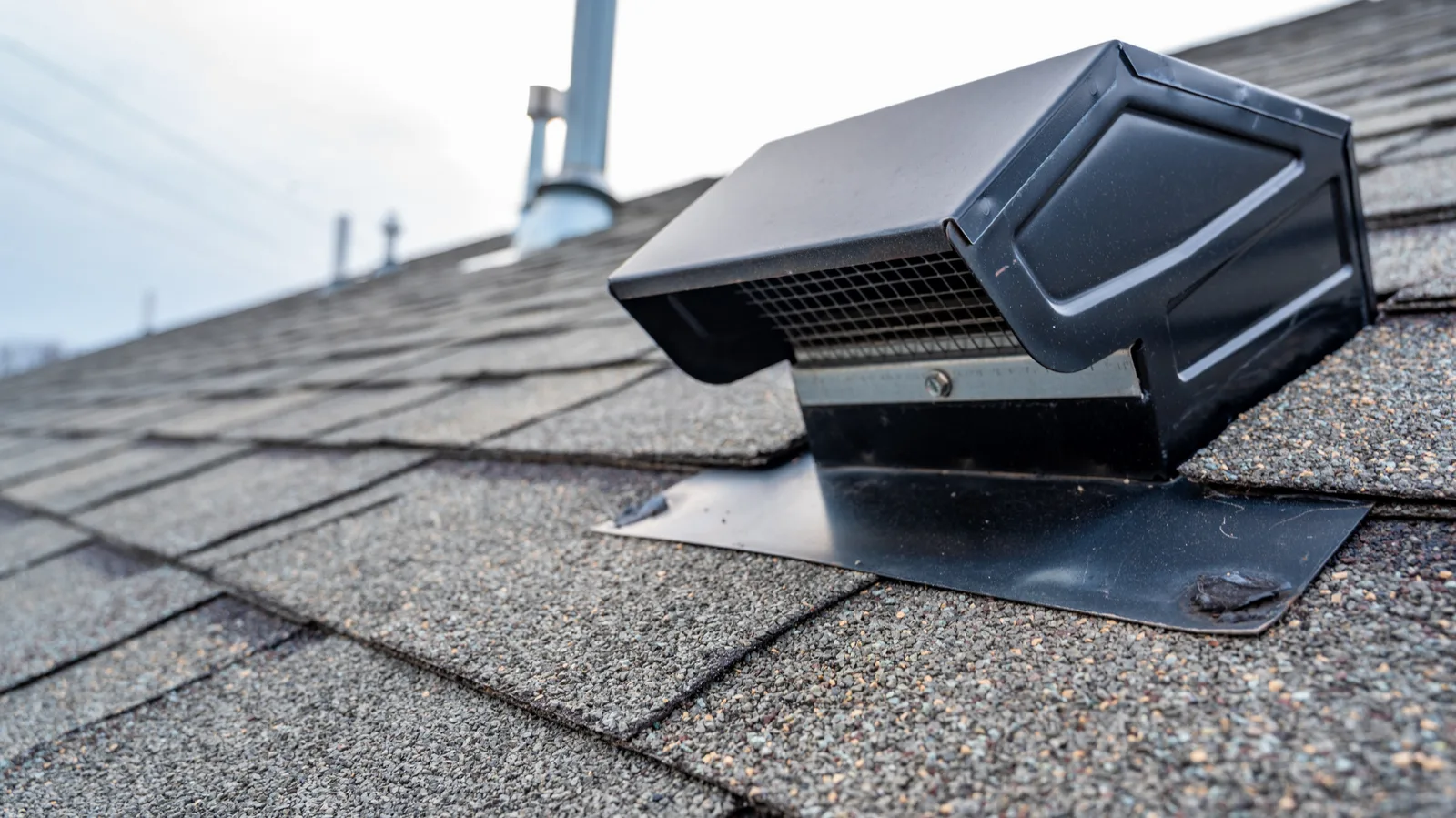
Water can travel before it appears indoors
Rain entering beneath the roof covering may run along decking, a rafter or another connection before finding a place to drip. Insulation and interior finishes can delay when that water becomes visible. That is why the stain’s size and location do not describe the whole repair.
Imagine water entering beside a vent farther up the slope. It may travel down the underside of the deck before reaching a joint and dropping onto the ceiling. Repairing only the shingles directly above the stain could leave the vent connection untouched.
Greenwood Roof Pros can help start with the leak you have noticed. A free roof inspection gives a roofer a closer look at the covering and details that may feed that area. You do not need to locate the opening first.
Roof details change the route
A roof is interrupted by vents, walls, valleys and changes in slope. Flashing and overlapping materials guide water through those changes. When a joint opens or a component is disturbed, water can cross beneath the surface instead of continuing down it.
Wind-driven rain may expose an opening that a lighter shower does not reach. A leak that appears only with rain from one direction is therefore useful information. It still needs inspection; the weather pattern alone does not identify the failed part.

A useful record of the leak
Note which room is affected, where the mark starts and whether water appears during the rain or afterward. Mention recent work near a chimney, vent or rooftop equipment. If you have pictures of earlier staining, they can help explain what has changed.
Keep observations safe. Do not climb onto a wet roof, enter an unsafe attic or stand beneath a sagging ceiling to investigate. Move belongings and catch drips only where you can do so safely. Keep clear of wet electrical fixtures.
Why a surface patch can miss the problem
Surface sealant may cover a visible gap without restoring the way the detail sheds water. It can also hide the area that needs a closer look. A lasting repair needs a usable connection to the surrounding roof and attention to affected material beneath it.
This does not mean every leak calls for replacement. A localized failed detail on an otherwise usable roof is different from widespread deterioration. The work should follow the entry path and the condition found around it.
The roof repair page explains that boundary and the items worth comparing in a repair proposal.
Roof leak location FAQs
Can two ceiling stains come from one roof opening?
Yes. Water can split into more than one path or appear at different points below the same entry area. The number of stains does not establish the number of roof defects.
Does a stain that dries mean the leak is fixed?
No. The roof may simply not have seen the same rain conditions again. Note whether the stain changes and have the cause checked rather than relying on a dry interval.
Should the roofer only inspect directly over the stain?
The area above the stain is useful context, but uphill details and connected roof areas may also feed it. Describe the indoor location and let the roof examination follow the possible water paths.
Start with the leak you can see
Tell Greenwood Roof Pros where the water appears and when it happens. Request a free inspection to start tracing the roof concern.
Call (479) 252-9404